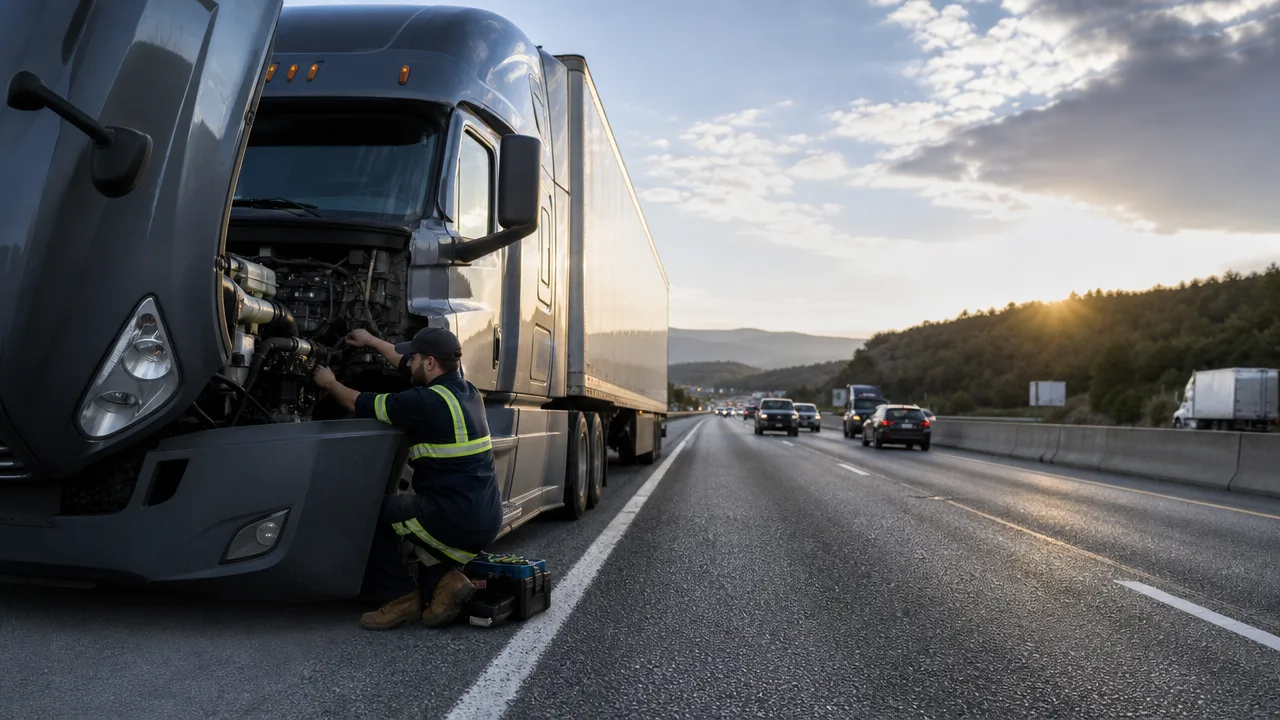
Here’s the short answer: a regular mechanic works on the car in your driveway. A diesel mechanic works on the truck that delivers everything that ends up in your driveway.
But there’s more to it than that, and if you own a commercial truck, a piece of heavy equipment or even an RV, knowing the difference can save you a lot of wasted time and money.
What a Regular Auto Mechanic Actually Does
Regular auto mechanics work on cars and light trucks, the kind most people drive to the grocery store. Oil changes, brake pads, spark plugs, maybe some electrical work. They’re good at what they do. The problem is what they’re trained on.
A gas engine uses spark plugs to ignite the fuel. The mechanic at your local shop knows that system well. But a diesel engine works completely differently. There are no spark plugs. Diesel fuel ignites from pressure and heat alone. The fuel system runs at pressures that would blow apart a gas engine. The whole thing is built to haul heavy loads for hundreds of thousands of miles, and the repairs reflect that.
Walk a gas engine mechanic up to a Cummins or CAT engine with a derate code and a regen fault and most of them won’t know where to start.
What a Diesel Mechanic Works On
Diesel mechanics work on any vehicle or piece of equipment powered by a diesel engine. That covers a lot of ground.
On the truck side, that means semi-trucks, tractor-trailers and heavy-duty work trucks. These are the vehicles hauling freight on I-75 day and night. When one goes down, every hour it sits is money out of someone’s pocket.
Construction equipment is another big part of the job. Excavators, bulldozers, loaders, cranes, all of them run on diesel and all of them break down at the worst possible times. A machine down at a job site doesn’t just cost repair money. It holds up an entire crew.
Buses, both transit and charter, run on diesel. Agricultural equipment: combines, tractors, irrigation pumps, runs on diesel. Even many RVs have diesel engines and diesel drivetrains that require a completely different repair approach than what a general shop is set up to handle.
The common thread is size, load and endurance. Diesel engines are built to work hard for a very long time and the mechanics who service them are trained accordingly.
What a Regular Auto Mechanic Works On
Regular auto mechanics service gasoline-powered passenger vehicles. Cars, minivans, SUVs, light pickup trucks, the kind of vehicles most people drive every day. Their training is built around those vehicles and those engines.
That’s not a knock on them. It’s just a very specific skill set for a very specific machine. And a gas-powered car is a fundamentally different machine than a diesel-powered commercial truck.
Why the Vehicle Type Matters So Much
It comes back to how the engines themselves work.
A gasoline engine uses spark plugs to ignite the fuel. A diesel engine doesn’t have spark plugs. It compresses air so tightly that the heat from that compression ignites the fuel on its own. That’s a completely different combustion process and it requires completely different components, different tolerances and different diagnostic tools.
On top of that, commercial diesel vehicles have systems that passenger cars simply don’t have. Air brakes instead of hydraulic brakes. High-pressure fuel injection systems. Diesel particulate filters and aftertreatment systems to manage emissions. Turbochargers sized for serious work. When any of those systems fail, you need someone who has actually worked on them before, not someone learning on the fly while your truck sits idle.
What Bennett Mobile Truck Repair Works On
At BMTR, we focus on diesel-powered trucks, heavy equipment and RVs across South Georgia and North Florida. We’re CAT Certified and Cummins Certified, which matters when your truck is throwing fault codes that require engine-specific software to read correctly.
On the truck side, we handle everything from full engine diagnostics and fuel system repairs to cooling system problems, electrical faults, air system and brake air repairs, DPF and regen issues, driveline work, and transmission and clutch removal and replacement. If your truck is derating on I-75 or won’t start at the yard, that’s exactly what we’re set up for.
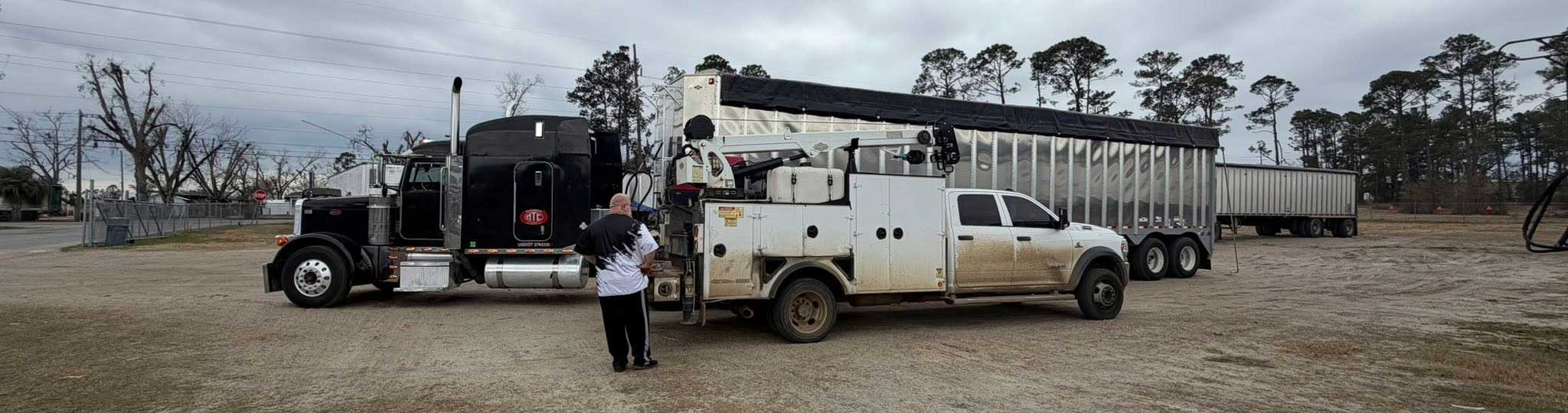
We also do on-site heavy equipment repair for excavators, loaders and dozers when they go down at the job site. And for RV owners dealing with engine or transmission problems on the road, we handle those too.
Everything is mobile. We come to you, which cuts out the tow bill and the time spent getting to a shop.
Reach us anytime, we’re available 24/7: (229) 740-9286
The Wrong Mechanic Costs More Than the Right One
A general auto shop might be willing to look at your diesel truck. Some will even try to fix it. But without the right diagnostic software, the right tools and hands-on experience with commercial diesel systems, they’re working with one hand tied behind their back.
The most common result is a parts swap based on the most obvious fault code, the truck goes back out and the same issue shows up two weeks later. At that point you’ve paid twice, once for the wrong fix and once for the right one.
Getting a diesel mechanic from the start isn’t about paying more. It’s about not paying twice.
Need a Diesel Mechanic in South Georgia or North Florida?
Bennett Mobile Truck Repair runs 24/7 and covers a 60-mile radius out of Hahira. Whether your truck is on the side of I-75, your equipment is down at the job site, or your RV isn’t going anywhere, call us and we’ll get out to you.
24/7 Service, Call Now: (229) 740-9286
Related Posts
If you enjoyed reading this, then please explore our other articles below: